
Why 3D Print a Custom Phone Case?
If you’re tired of generic phone cases and want to add a personal touch to your device, 3D printing offers the perfect solution. Creating your own case enables you to choose the material, color, design, and even add functional features like stands, card holders, or grips. Whether you want to showcase your creativity or need a case tailored to your specific lifestyle, 3D printing puts you in full control.
Designing Your Custom Phone Case
Design is the most exciting step. You can either create your own model from scratch or use existing templates and modify them. Here’s how to get started:
- Using CAD Software: Software like Tinkercad (ideal for beginners) or Fusion 360 (for more advanced users) allows you to design a phone case with precise cutouts for buttons, cameras, and ports.
- Finding Templates: Platforms such as Thingiverse, MyMiniFactory, and Cults3D offer thousands of free phone case designs. Download a model that matches your phone’s make and model, then customize it if you wish.
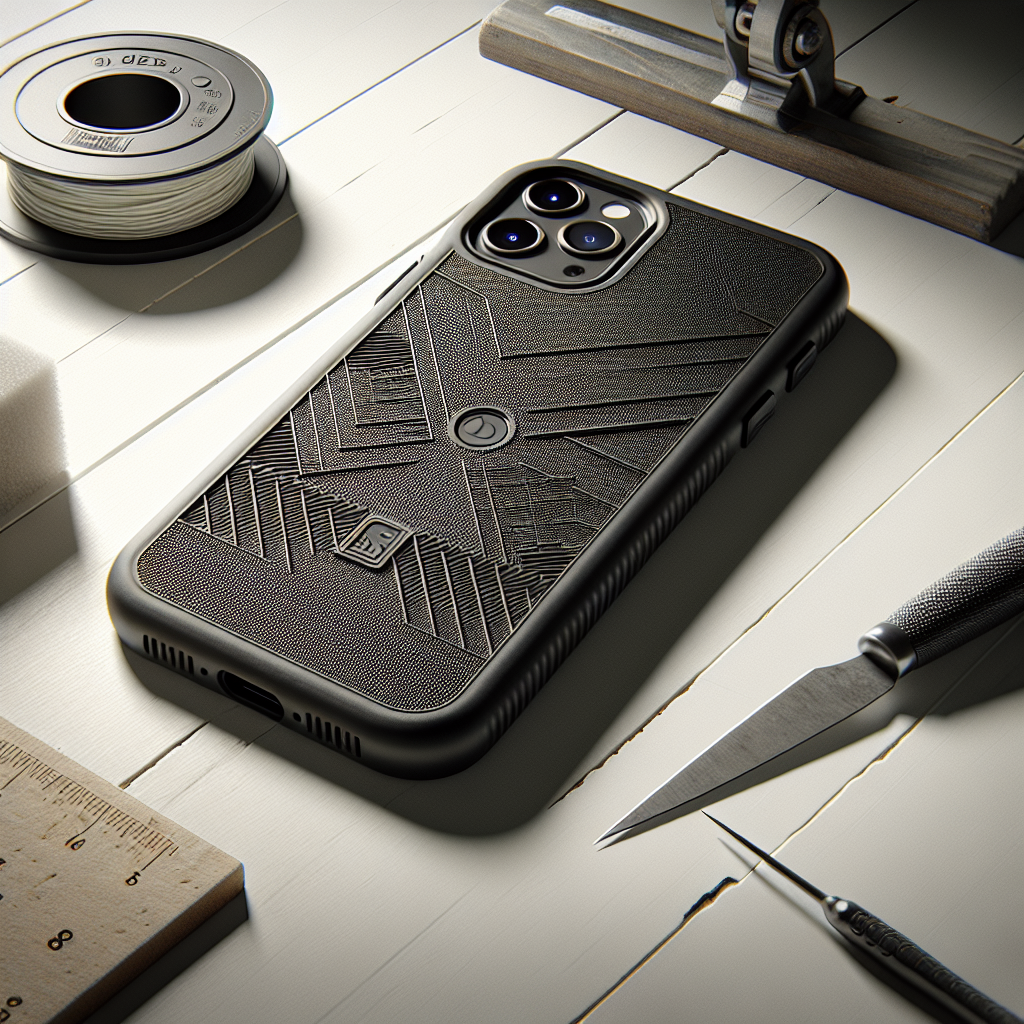
- Adding Personal Touches: You can add text, logos, patterns, or even artistic reliefs. Most CAD programs allow you to import SVG files to emboss or engrave designs onto the case’s surface.
Choosing the Right Material
Material selection impacts durability, flexibility, grip, and aesthetics. Here are common 3D printing filaments for phone cases:
- TPU (Thermoplastic Polyurethane): Highly recommended for cases due to its flexibility, shock absorption, and pleasant feel. TPU produces cases similar to commercial silicone covers.
- PLA (Polylactic Acid): A popular beginner filament that’s easy to print. However, it’s more rigid and less impact-resistant, which may not be ideal for drops.
- PETG: Offers a good balance between flexibility and strength, making it a decent choice if you need something tougher than PLA but not as rubbery as TPU.
Setting Up Your 3D Printer
Once you have your STL file ready, it’s time to prepare for printing:
- Slicer Settings: Import your model into a slicing program (like Cura or PrusaSlicer). For TPU, set a lower print speed (20-35mm/s) and enable retraction to prevent stringing. For PLA or PETG, standard settings usually suffice, but check your printer’s recommended profiles.
- Layer Height: 0.2mm is a good balance between detail and print time. For sharper text or design features, go down to 0.1mm.
- Infill: 15-25% is usually enough for most phone cases. For added rigidity, increase the infill or add more perimeters (walls).
- Bed Adhesion: Use a heated bed if possible (especially for TPU or PETG). A glue stick, PEI sheet, or painter’s tape can help with sticking issues.
Post-Processing and Finishing Touches
After the print finishes, carefully remove the case from the build plate. Some additional steps can enhance the look and feel:
- Deburring and Smoothing: Trim away any stringing or rough edges with a hobby knife. For PLA and PETG, light sanding can help create a smoother finish.
- Testing Fit: Gently snap the case onto your phone, ensuring all ports and buttons are accessible. If the fit is too tight, you may need to tweak your design or scale the model slightly in your slicer.
- Painting or Sealing: If you want to add more flair, use acrylic paints or vinyl stickers for decoration. For added durability, especially with PLA, a clear polyurethane or epoxy coating can help protect the case from wear.
Troubleshooting Common Issues
- Warping or Detachment: Ensure your bed is level and use adequate adhesion helpers. TPU can be especially prone to warping if the bed isn’t heated.
- Poor Flexibility: Double-check that you’re using flexible filament and not a rigid type like PLA. Adjust wall thickness to around 1.2-2mm for best results.
- Weak Button Response: Thin the areas over buttons, or create cutouts or tactile features in your model for easier pressing.
Show Off Your Unique Creation!
Printing your own phone case is not only practical but a rewarding creative project. Once you’ve mastered the basics, the possibilities are endless: add stands, card holders, even fidget spinners! Share your designs online, or gift custom cases to friends and family.
With just a little practice, you’ll never need to settle for a mass-produced phone case again. Happy printing!
Leave a Reply