
Introduction: The Rise of AI in 3D Printing Workflows
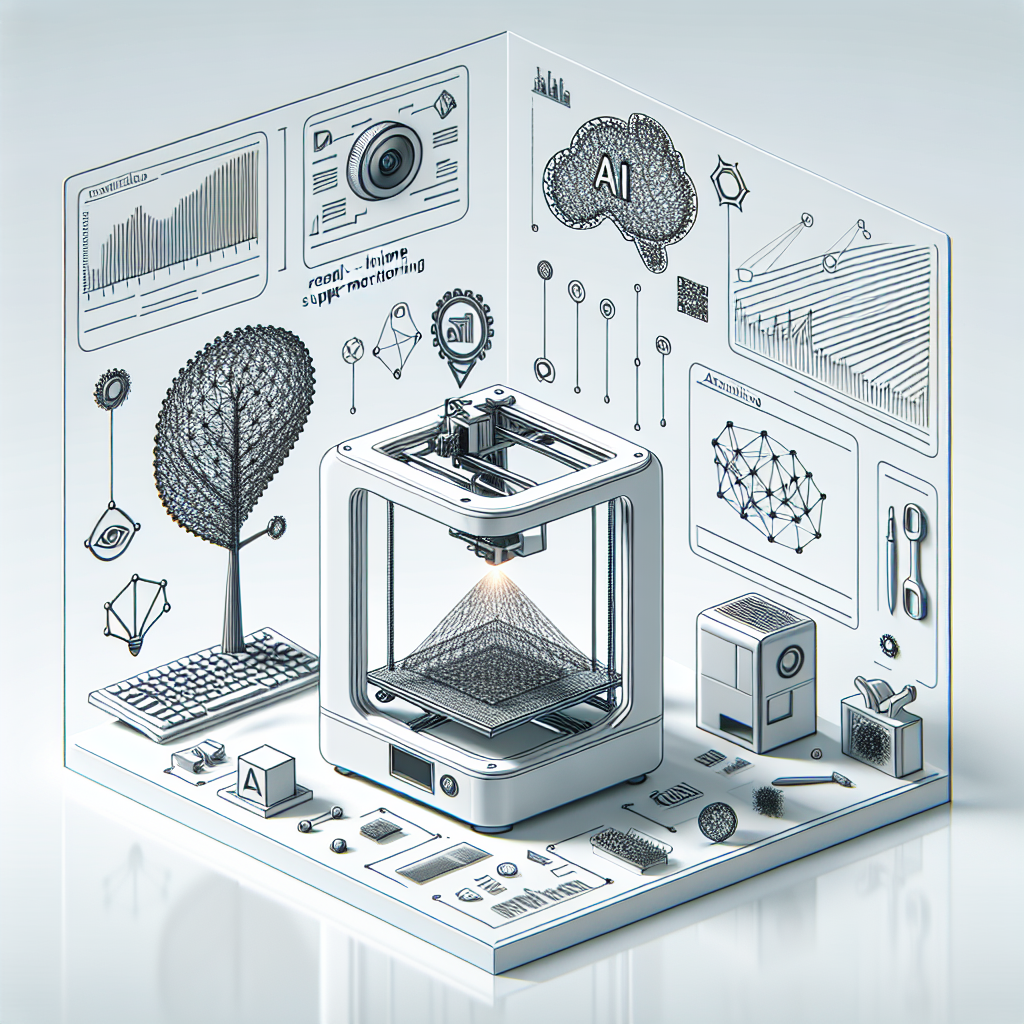
Over the past few years, artificial intelligence (AI) has transformed the 3D printing landscape, injecting speed, intelligence, and automation into both modeling and slicing processes. Gone are the days when you needed to painstakingly tweak mesh details manually or obsess over slicer settings for hours. Today, AI-powered 3D modeling and slicing tools are leveling up productivity for hobbyists and professionals alike, optimizing everything from mesh repair to infill patterns and print time estimation. Based on years of hands-on experience and experimentation, here’s a deep dive into the best AI-powered 3D slicers and modeling tools on the market right now.
AI-Powered 3D Slicers: Smarter Slicing, Superior Prints
Bambu Studio
Bambu Lab’s slicer is a standout for its AI-driven features. Bambu Studio leverages machine learning for automatic support generation, optimizing support placement to minimize material use and post-processing headaches. Its “AI Failure Detection” syncs with Bambu Lab printers, monitoring prints in real-time via onboard cameras to catch spaghetti messes or layer shifts. The slicer also recommends print settings based on material and geometry, streamlining setup for both novices and power users.
PrusaSlicer with Prusa Connect
Prusa has incorporated machine learning into PrusaSlicer, especially via integration with Prusa Connect. The cloud-based system uses AI to analyze print progress and forecast potential failures, sending instant alerts. PrusaSlicer’s “smart fill” and “auto-orientation” features harness AI to position parts for optimal strength and minimal support, improving print outcomes and reducing waste.
Creality Print
With the launch of their K1 series, Creality has introduced an AI-powered slicer that keeps users ahead of common print issues. The key feature: real-time spaghetti detection using onboard AI-powered cameras, which can pause or stop prints if a failure is detected. Its AI algorithms also suggest support structure placement and recommend print speeds based on the complexity of the model.
AI-Enhanced 3D Modeling Tools: Creativity Meets Automation
NVIDIA Omniverse with AI-Assisted Modeling
NVIDIA Omniverse is pushing boundaries with its AI-driven mesh repair and generation tools. Using Deep Learning, Omniverse can automatically clean up mesh errors, fill holes, and even generate textures and UV maps. For 3D printing, this means faster file prep and fewer failed prints caused by non-manifold geometry.
Autodesk Fusion 360: Generative Design
Fusion 360’s Generative Design workspace is a game-changer for part optimization. The AI engine suggests hundreds of design alternatives based on performance goals and constraints—think weight reduction, maximum strength, or minimal material use. The result is organic, high-performance structures that are virtually impossible to design manually, perfect for functional and industrial 3D printing projects.
MeshMixer and MeshLab with AI Plugins
While MeshMixer and MeshLab are established modeling tools, their new AI plug-ins supercharge mesh repair. These AI modules can automatically detect and repair holes, non-manifold edges, and intersecting faces, making them invaluable for prepping downloaded or scanned models for 3D printing.
The Impact on Workflow: Faster, Smarter, More Reliable
The integration of AI into both slicers and modeling tools isn’t just about convenience—it’s a revolution in print reliability and creative possibility. AI-powered support generation slashes material waste and print time. Real-time failure detection means fewer ruined prints, saving hours and filament. And AI-driven modeling allows for the creation of parts that are lighter, stronger, and more efficient than ever.
Looking Ahead: What’s Next for AI in 3D Printing?
Expect further leaps in AI-powered 3D printing in the coming months and years. Cloud-based print farms are already using AI for automated print job queuing, quality control, and predictive maintenance. As machine learning algorithms become more sophisticated, we’ll see even smarter infill strategies, adaptive slicing based on real-time feedback, and generative design tools that incorporate multi-material or multi-process printing.
Conclusion
Embracing AI-powered 3D slicers and modeling tools isn’t just for tech enthusiasts—it’s quickly becoming essential for anyone serious about 3D printing. Whether you’re looking to optimize your workflow, maximize print quality, or unleash new creative possibilities, these advanced tools are worth exploring. As the technology continues to evolve, staying up-to-date with the best AI-powered solutions will be key to staying ahead in the fast-moving world of additive manufacturing.
Leave a Reply