
Introduction: The Rise of 3D Printing in Medicine
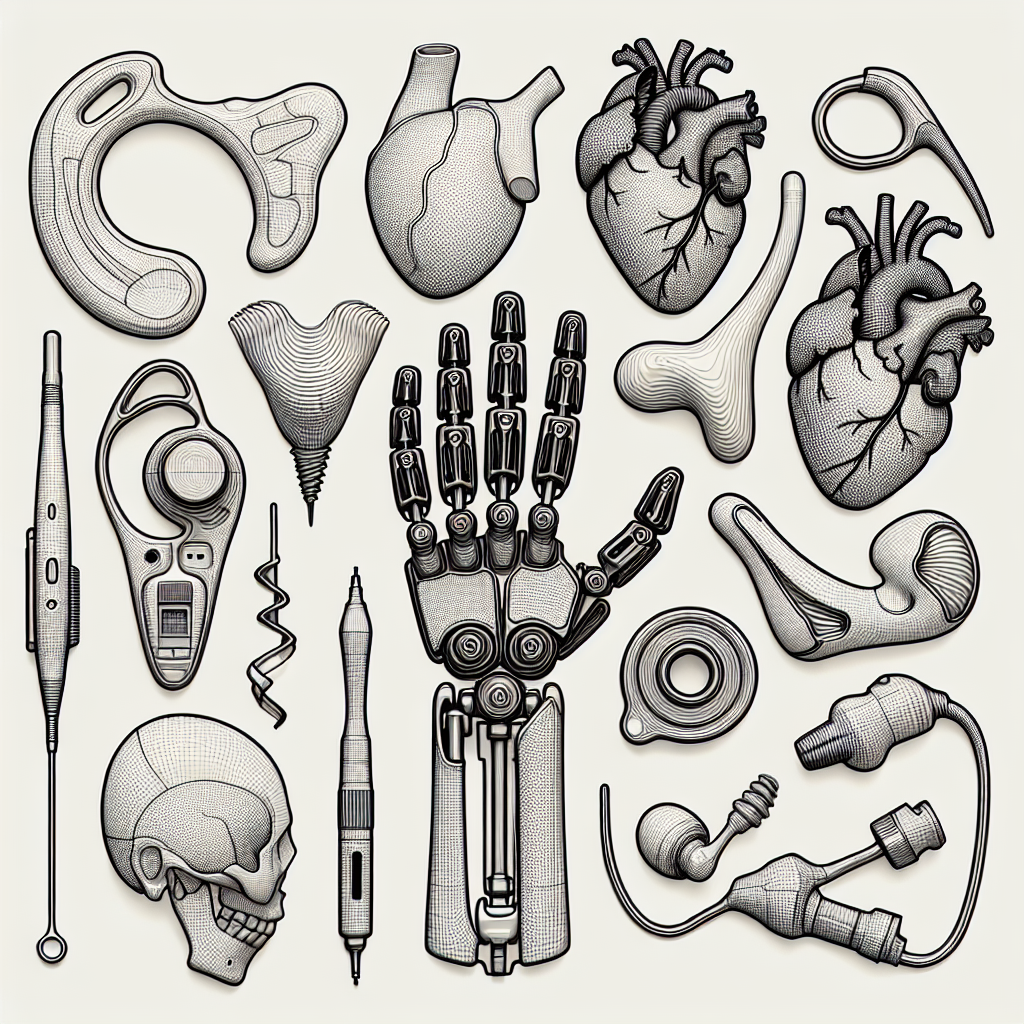
In recent years, 3D printing has revolutionized the field of medicine, offering unprecedented customization, rapid prototyping, and cost-effective solutions for patients and healthcare providers alike. From life-saving implants to patient-specific surgical tools, the possibilities of 3D printed medical innovations are almost limitless. Drawing on extensive hands-on experience in 3D printing for medical applications, this article highlights some of the most groundbreaking devices and innovations shaping the future of healthcare.
3D Printed Prosthetics: Personalized and Accessible Solutions
Traditional prosthetics can be expensive and require lengthy fitting processes. 3D printing addresses these challenges by enabling the creation of custom-fit prosthetic limbs tailored to each patient’s unique anatomy. Organizations like e-NABLE and Open Bionics have leveraged additive manufacturing to produce lightweight, functional prosthetic hands and arms for adults and children worldwide. These devices can be produced at a fraction of the cost of conventional prosthetics, making them accessible to underserved communities and allowing for easy modifications as patients grow or their needs change.
Cranial and Orthopedic Implants: Tailor-Made for Each Patient
One of the most critical uses of 3D printing in medicine is the production of patient-specific implants, particularly for cranial reconstruction and orthopedic surgery. Surgeons can utilize CT or MRI scan data to design implants that perfectly match a patient’s bone structure, improving fit and reducing surgical complications. Materials such as titanium and biocompatible polymers are commonly used in these implants, ensuring strength, durability, and compatibility with the human body. Notable examples include custom cranial plates and hip or knee replacements, giving patients better functional and aesthetic outcomes.
Surgical Guides and Planning Models: Enhancing Precision in the Operating Room
3D printed surgical guides and anatomical models have become indispensable tools for preoperative planning and intraoperative assistance. Surgeons can now practice complex procedures using exact replicas of a patient’s organs or bones, leading to increased accuracy and reduced operating times. These models also aid in patient education, helping individuals visualize their upcoming procedures. In fields such as maxillofacial, cardiac, and orthopedic surgery, 3D printed guides have been shown to dramatically improve surgical outcomes by providing tactile reference points during complex interventions.
Bioprinting: Tissues and Organs for the Future
Perhaps the most exciting frontier in 3D printed medical innovation is bioprinting—the creation of living tissues using bioink made from living cells. While fully functional, transplantable organs are still in development, researchers have already succeeded in printing small tissue structures like skin grafts, cartilage, and even miniature heart tissues. These advancements offer hope for addressing the organ donor shortage and enabling more effective drug testing on lab-grown human tissues, reducing reliance on animal models.
Custom Surgical Instruments: Efficiency and Sterility on Demand
Hospitals and clinics are increasingly adopting 3D printing to fabricate patient-specific or procedure-specific surgical instruments. These custom devices can be designed and produced rapidly, reducing wait times and inventory costs. Sterilizable polymers ensure that tools meet the strict hygiene requirements of the operating room. Examples include specialized retractors, cutting guides, and clamps, all tailored for optimal ergonomics and surgical precision.
Hearing Aids and Dental Devices: A Revolution in Fit and Comfort
The hearing aid industry was one of the first to embrace 3D printing, enabling the rapid production of custom-fitted earpieces. Today, nearly all in-ear hearing aid shells are 3D printed from digital ear scans, delivering superior comfort and acoustic performance. Similarly, dentists use 3D printing to create crowns, bridges, aligners, and surgical guides, resulting in quicker turnaround times and better patient outcomes.
Conclusion: The Future of 3D Printed Medicine
3D printing is transforming medicine by making treatments more personalized, affordable, and effective. From prosthetics and implants to bioprinting and custom instruments, the technology continues to expand the boundaries of what’s possible in healthcare. As materials science and bioprinting techniques advance, we can expect even more astonishing innovations—ultimately improving patient care and saving lives around the globe.
Leave a Reply