
Understanding Wood Filament: What Makes It Special?
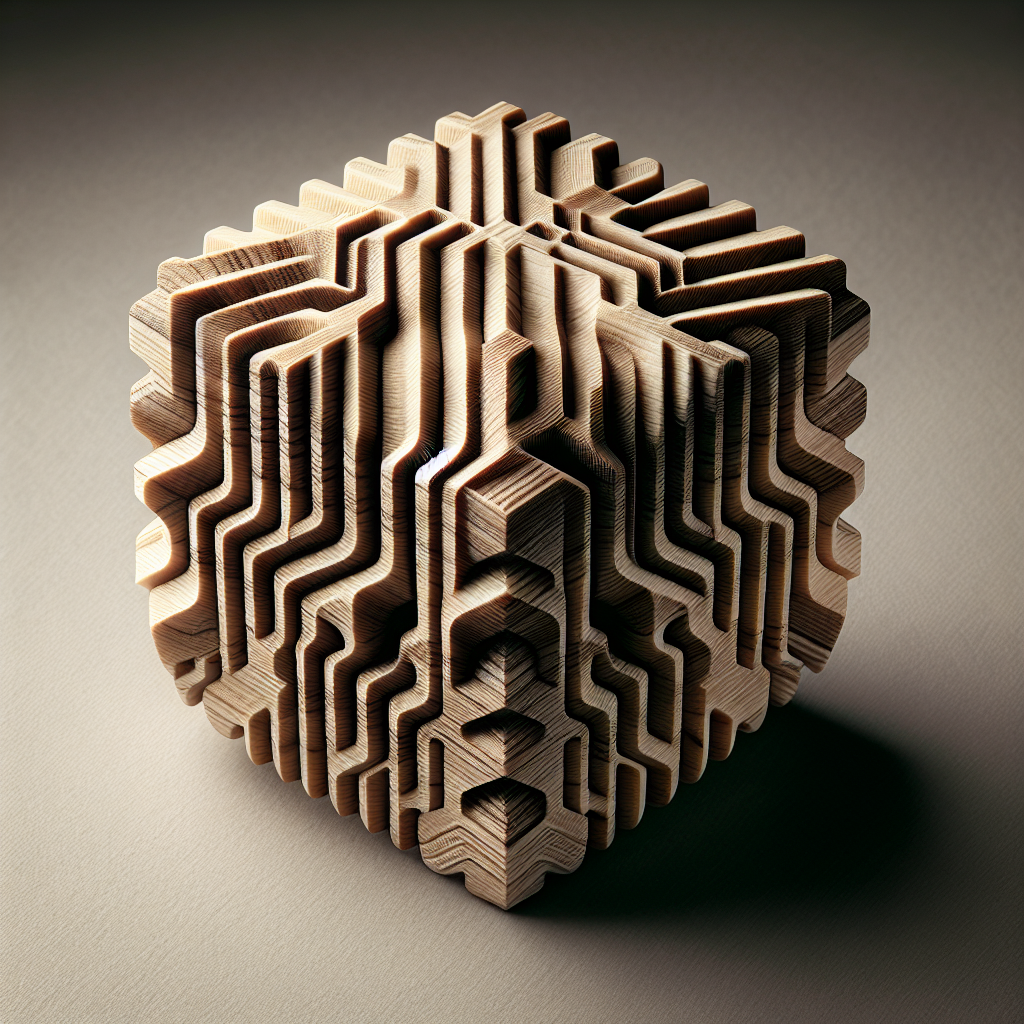
Wood filament is a unique 3D printing material, typically made by blending PLA plastic with finely ground wood particles (often 20-40%). This gives prints a genuine wood-like appearance and even a subtle, natural aroma when printing. The texture, color, and feel of your finished piece can resemble traditional woodcraft—perfect for models, art, or home decor projects. However, printing with wood filament does require some special considerations if you want that truly realistic wood finish.
Choosing the Right Wood Filament
Not all wood filaments are created equal. The type of wood powder (birch, bamboo, walnut, etc.) and its percentage in the filament affects color, grain, and finish. For a more pronounced “wood” effect, select filaments with higher wood content. Some manufacturers even offer exotic blends. Be sure to read reviews and experiment with small spools before committing to a larger purchase.
Printer Setup and Nozzle Recommendations
Wood filament is slightly more abrasive than standard PLA due to the wood particles, so equip your printer with a hardened steel or ruby-tipped nozzle (at least 0.4mm, ideally 0.5mm or larger) to avoid excessive wear or clogs. Regular brass nozzles can erode quickly.
Set your print bed temperature at 50–60°C and the extruder at 195–220°C, depending on the filament brand. Lower temperatures can help avoid burning the wood particles, while higher temps can deepen the color, allowing you to “tone” your model.
Perfecting Your Print Settings
- Layer Height: For a grainier, more authentic look, use a higher layer height (0.2mm or above). This exaggerates the texture and mimics real wood grain.
- Print Speed: Slow and steady wins the race with wood filament. Stick to 40–60mm/s to prevent jams and ensure a uniform finish.
- Cooling: Enable your part cooling fan for detailed features, but try reducing it slightly for a richer color and stronger layer adhesion.
- Retraction: Because wood filament can clog, fine-tune your retraction settings and keep them conservative; start with 0.5–1mm.
Achieving a Realistic Wood Grain Finish
Printing with wood filament offers a natural base, but you can enhance the wood effect with a few techniques:
- Vary Print Temperature: For faux woodgrain, try intentionally varying the print temperature by 5–10°C during the print. Many slicers allow you to script these changes, resulting in darker and lighter bands—just like real wood grain.
- Change Orientation: Print in a way that the visible faces mimic the direction of wood grain in a real piece of lumber.
- Sanding: After printing, lightly sand your model with fine grit (220–400) sandpaper. This removes layer lines and exposes fresh wood particles, enhancing the tactile woodiness and preparing the surface for finishing.
- Staining and Sealing: You can stain wood filament prints just like real wood. Use water- or oil-based stains, and wipe off excess to reveal detailed grain. Finish with a clear polyurethane or acrylic sealer for a professional sheen and added durability.
Post-Processing for the Ultimate Wood Look
After sanding and staining, consider these optional enhancements:
- Engraving: Use a woodburning tool or laser engraver to add custom details, names, or logos—wood filament takes engraving better than most plastics.
- Assembly: For large or functional items, glue parts together with standard wood glue; joints bond well and are easy to sand flush.
- Polishing: Buff with a soft cloth for a subtle, natural shine after sealing or waxing.
Common Pitfalls and Troubleshooting
- Clogging: Keep your filament dry, as moisture can worsen clogging. Always store it in a sealed bag with desiccant.
- Stringing: If you see stringing between parts, fine-tune retraction and print temperature. Sometimes, a quick pass with a heat gun post-print can help remove fine strings.
- Burnt Spots: If you notice dark, burnt spots, lower your nozzle temperature or increase cooling slightly.
Inspiration: What to Print with Wood Filament
Wood filament is ideal for jewelry, home decor, ornaments, miniature furniture, cosplay props, and architectural models. You can even combine it with stains and finishes to match real wood elements in your home, making replacement parts or custom accessories that blend seamlessly.
Final Thoughts
Printing with wood filament delivers a uniquely tactile and visual result that standard plastics can’t match. With the right preparation, printer setup, and thoughtful post-processing, your next 3D print can look and feel like it was crafted in a woodshop. Dive in, experiment with stains and finishes, and enjoy the satisfaction of making something both modern and timeless.
Leave a Reply